
Destroying PFAS.
Not just filtering them out.
Manhattan Beach Labs engineers high-energy electron beam irradiation systems that break down PFAS and other emerging contaminants at the molecular level. Complete mineralization, not concentration.
The problem with conventional PFAS treatment:
Filtration doesn't destroy.
GAC, ion exchange, and membranes move PFAS from water to waste. The spent media still needs disposal.
Incineration is under scrutiny.
Incomplete destruction, air emissions, and growing regulatory pressure make thermal treatment increasingly untenable.
E-beam irradiation is the solution.
Electron beam irradiation destroys PFAS at the molecular level — zero parts per trillion residual across a wide range of compounds. Especially effective on concentrated waste like AFFF-impacted sediment and used filter media.
MBL is the industry leader.
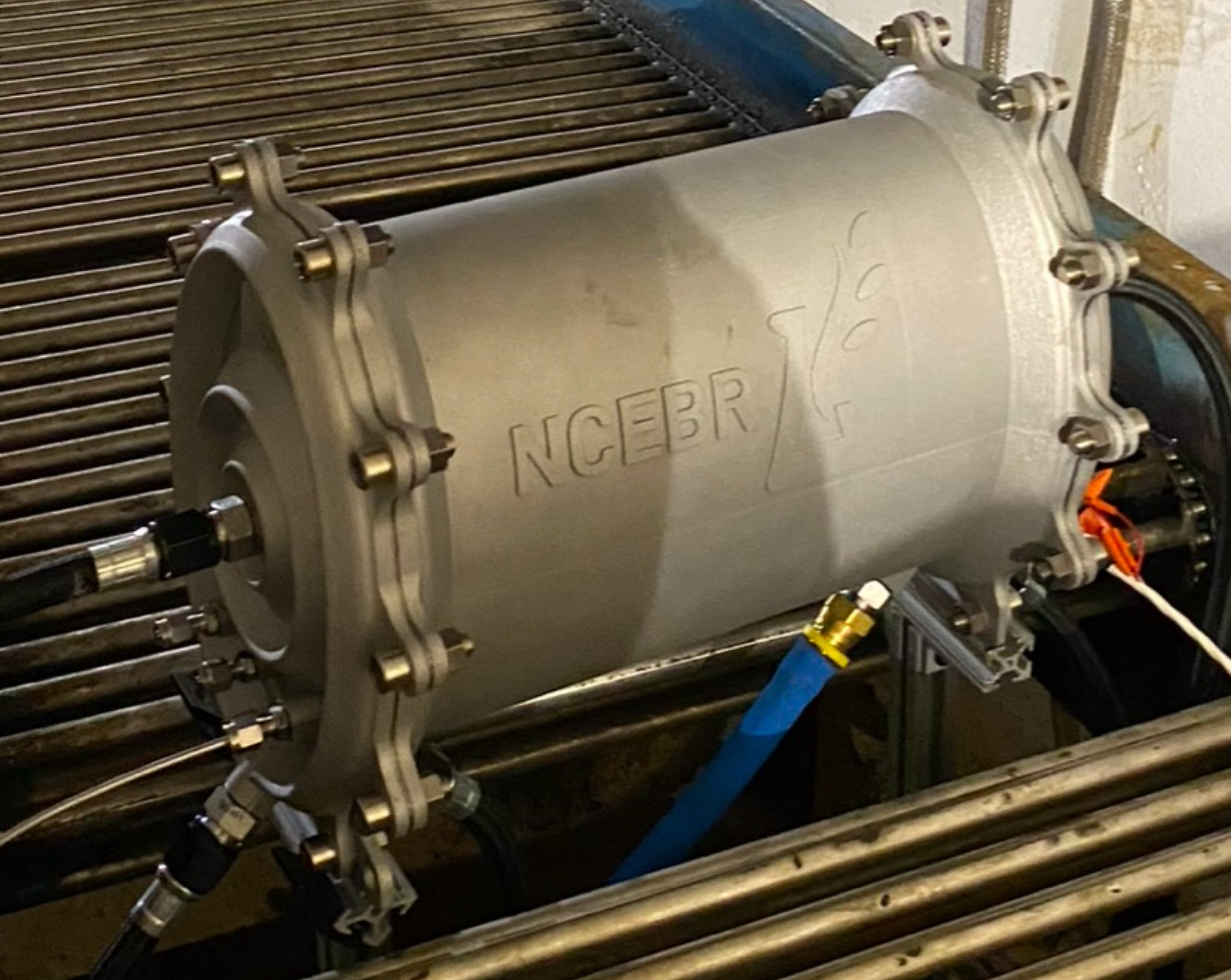
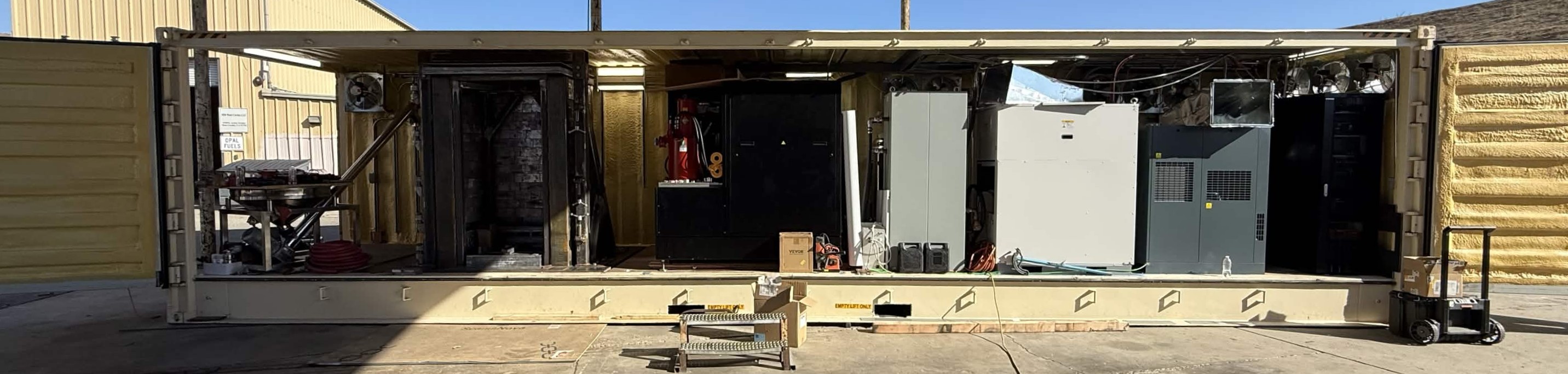
MBL's treatment vessel is the canonical system validated in peer-reviewed literature* for PFAS destruction via e-beam irradiation. We've solved extreme radiation exposure, volatiles management, and thermal control for ultra-high-dose treatment.
Electron beam irradiation.
Complete molecular destruction.
MBL's core technology uses high-energy, high-power electron beam irradiation to break the carbon-fluorine bonds in PFAS compounds. Unlike filtration or adsorption, e-beam treatment achieves mineralization — converting PFAS into simple, non-toxic byproducts.
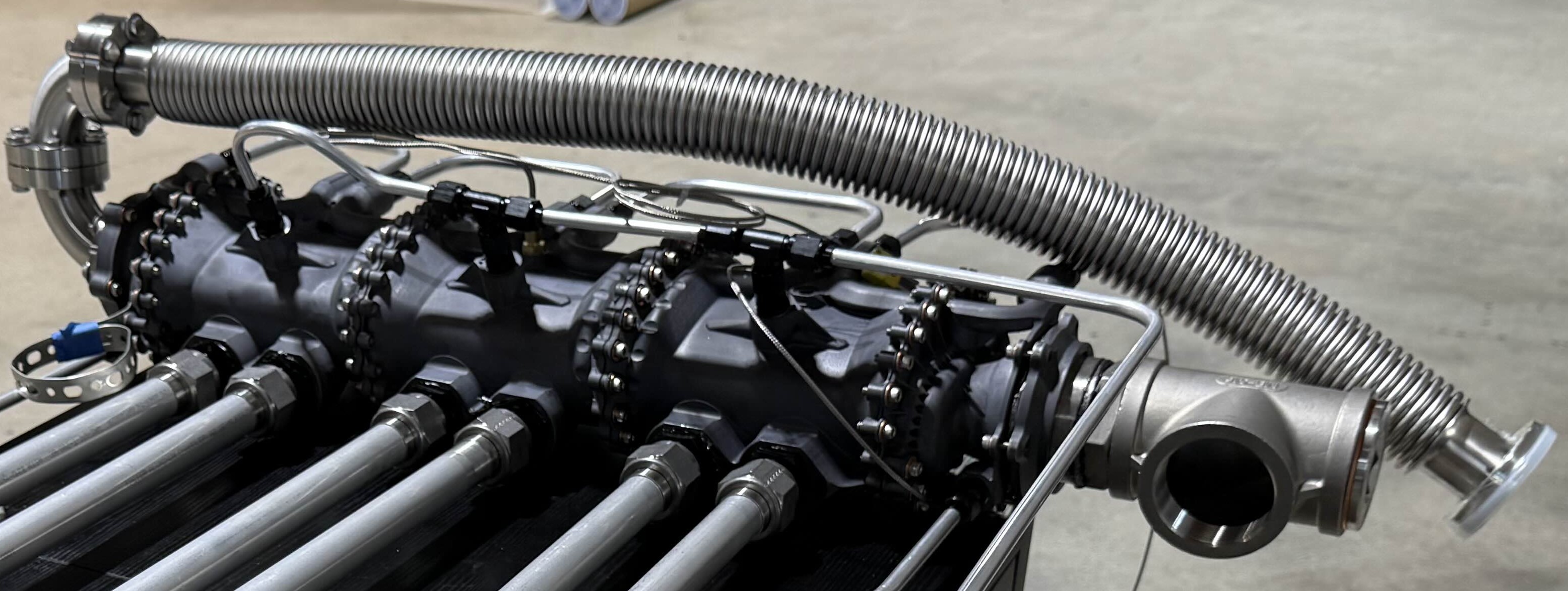
Why e-beam works
High-energy electrons break carbon-fluorine bonds directly — the strongest bonds in organic chemistry. Unlike thermal or chemical methods, e-beam irradiation achieves complete mineralization of PFAS into simple inorganic byproducts.
The hard problem MBL solved
The physics of e-beam PFAS destruction are well understood. The engineering challenge is delivering extreme radiation doses to contaminated material while managing volatiles, heat, and radiation exposure. MBL's treatment vessel is purpose-built to solve exactly this.
Validated in peer-reviewed research
MBL's system architecture is the basis for published, peer-reviewed studies on e-beam PFAS destruction. Not a prototype. Not a concept. A working system with published results.
What we do:
PFAS Destruction Systems
End-to-end treatment systems for the destruction of PFAS in water, soil, and concentrated waste streams. Verified destruction, not transfer to another medium.
Custom Irradiation Hardware
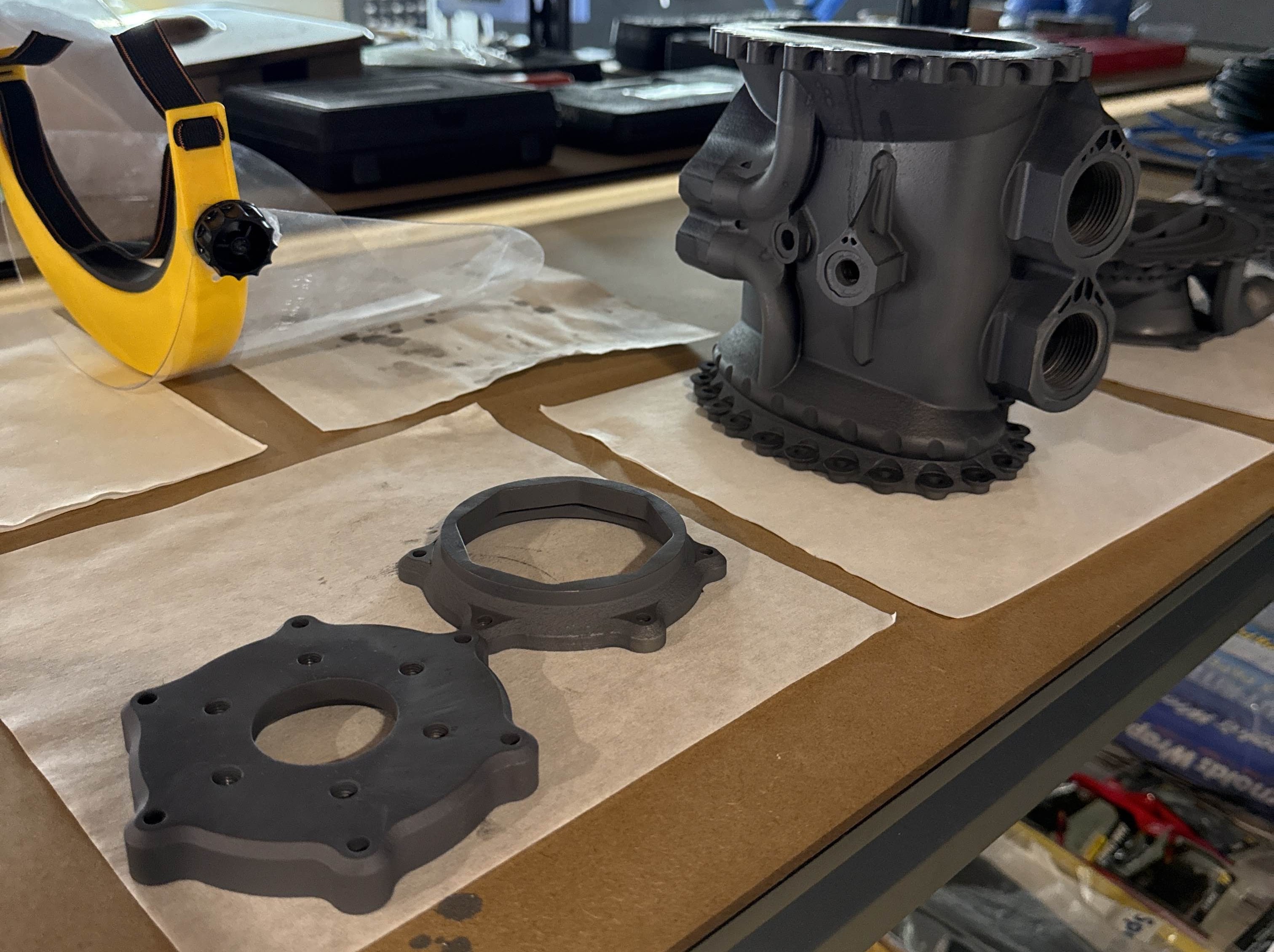
Treatment vessel design, ultra-high-radiation material transport and dispensing, beam diffusion and lensing, and specialized instrumentation for extreme radiation environments.
System Integration
Design, engineering, and fabrication of complete integrated electron beam treatment systems. Process design through commissioning.
Research & Development
Collaborative R&D with academic and government partners on emerging contaminant destruction, dose optimization, and novel treatment vessel architectures.
Our customers:
MBL works with defense agencies, federal research programs, and academic institutions advancing the state of the art in contaminant destruction technology.


SERDP (Strategic Environmental Research and Development Program) and ESTCP (Environmental Security Technology Certification Program) are DoD programs that fund and validate environmental remediation technologies.
In-house manufacturing capabilities:
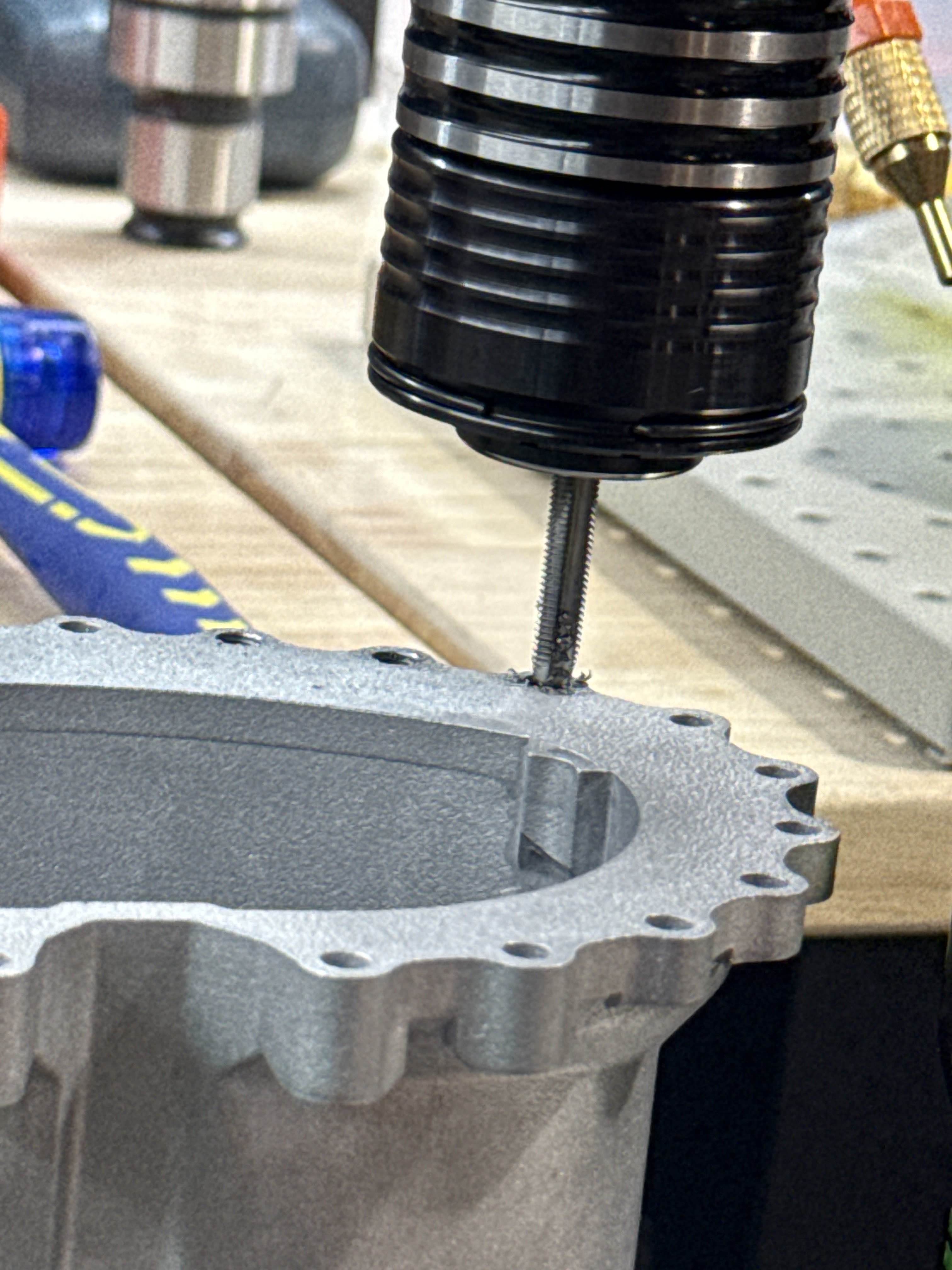
MBL designs and builds hardware in-house. Every capability below is staffed, equipped, and operational at our facility.
Online now:
Coming Q3 2026:
Via established partners:
Core design competencies:
Leadership:
Eric Pillai
Founder & CEO
Before founding Manhattan Beach Labs, Eric was a design and manufacturing engineer at SpaceX, where he owned clean-sheet development of flight hardware across Starship, Dragon 2, and Starshield programs — including engine mounting structures, thermal protection systems, propellant feedlines, and heatshield assemblies.
MBL applies the same rapid-iteration, vertically-integrated engineering approach to the environmental and defense sectors.
Let's talk.
Whether you're evaluating PFAS destruction technologies, need custom irradiation hardware designed, or want to discuss a research collaboration — we'd like to hear from you.
contact@manhattanbeachlabs.com